Arabic Language Foundation
Letters, sounds and the beginnings of reading, taught at the level the child is at rather than the level their grade implies. For children who hear Arabic at home and for those who do not, in the same room.

The Integrated Education Programme is not a lesson a child attends. It is the part of every other lesson that is about how the work is done, and who they are while they do it.
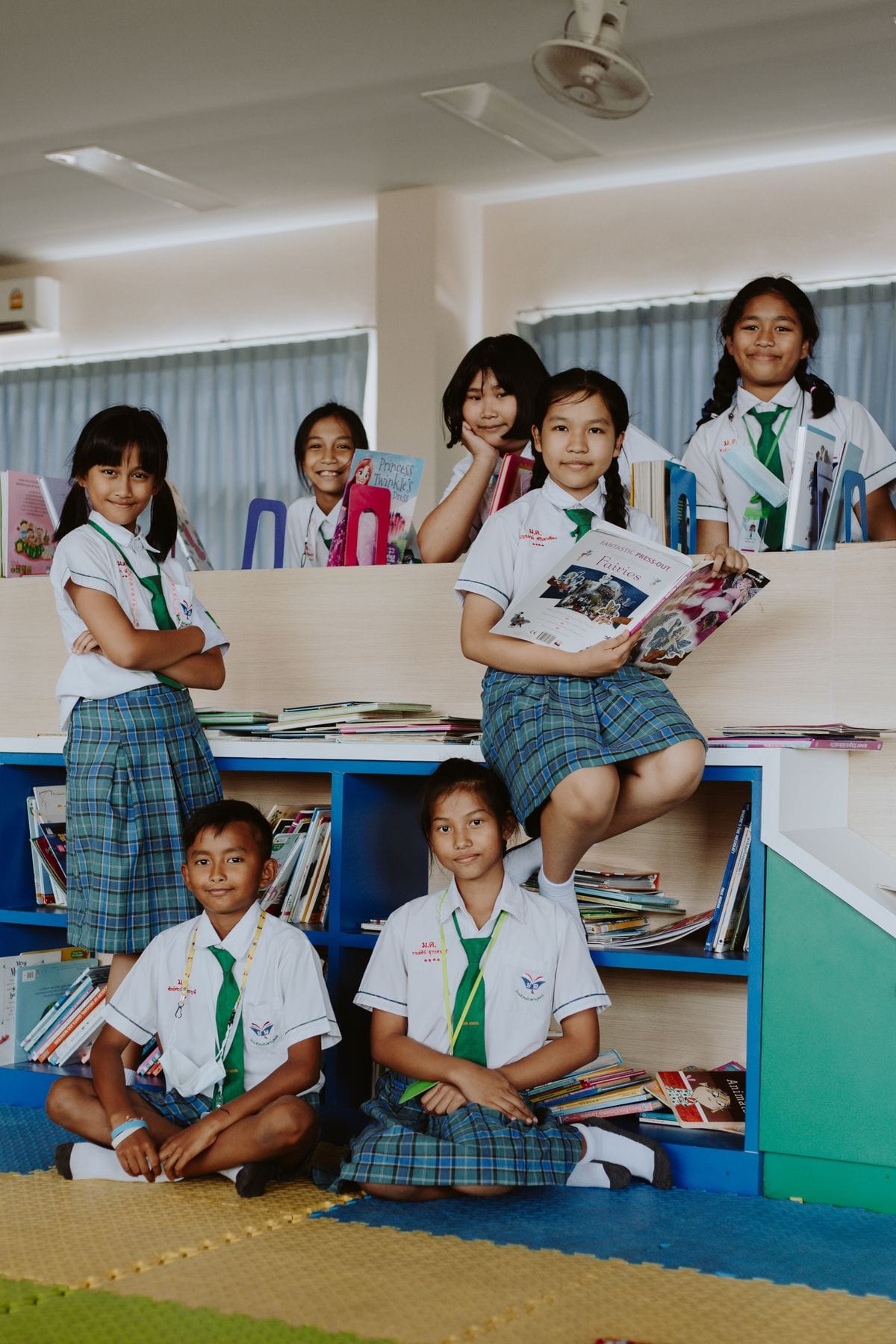
Alongside academic learning, students are guided in:
Letters, sounds and the beginnings of reading, taught at the level the child is at rather than the level their grade implies. For children who hear Arabic at home and for those who do not, in the same room.
Honesty, patience, kindness and fairness — raised where they come up, which is in the ordinary friction of a shared table rather than in a lesson set aside for them.
Arriving ready, finishing what was started, looking after the room and the people in it. Habits, practised until they are not decisions any more.
A child who can read but cannot wait their turn has not finished learning.
This is why the third programme is not third. It runs through the other two — the same teachers, the same sessions, the same twenty children — because character is not a subject that can be taught in isolation from the work it is meant to shape.
Nothing here is a separate activity. Each of these is a moment that occurs in an ordinary session, handled deliberately rather than let pass.
Sharing materials, waiting while someone else answers, disagreeing without raising a voice. A group of twenty produces these situations daily and each one is a lesson if it is treated as one.
Correcting an answer honestly rather than quietly rubbing it out. Finishing a task that has stopped being interesting. Asking for help before the page is blank and the session is over.
Materials returned where they were found, chairs pushed in, the space left better than it was. Responsibility taught through things a child can actually be responsible for.
Explaining something to the person beside you is how you find out whether you understood it. Helping is encouraged, doing it for them is not.
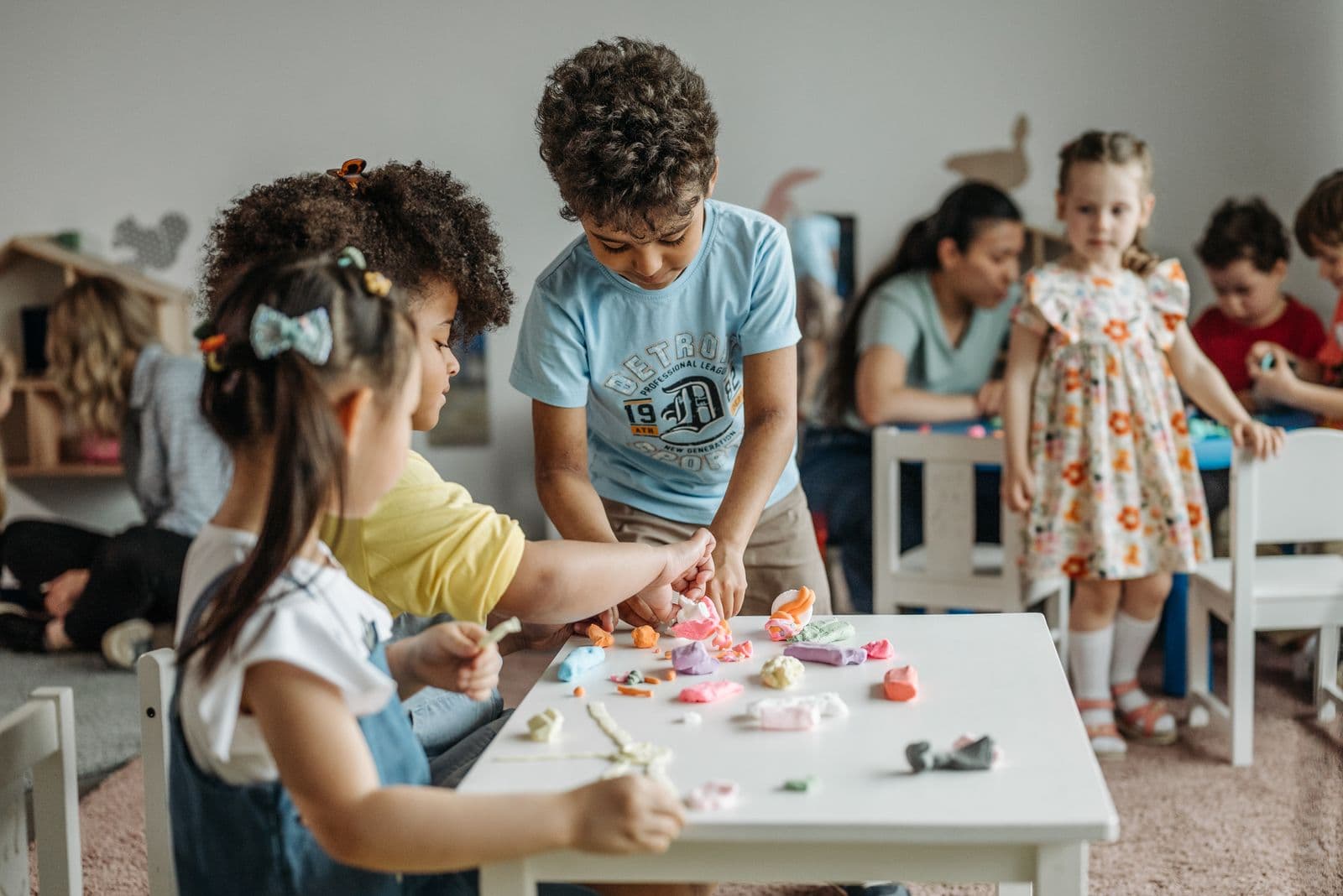
Who a child is when the work is hard and nobody is watching.
The standards they hold, and can explain, rather than the rules they follow.
Organising, listening, cooperating, persevering — the skills every subject quietly assumes.
Progress updates cover more than marks. If a child has started asking questions in front of the group, or has stopped, that is worth a parent knowing — and it is usually the earlier signal.
Integrated Education is carried inside the Foundation and Primary programmes. A child is not enrolled in it separately, and no child is without it.